
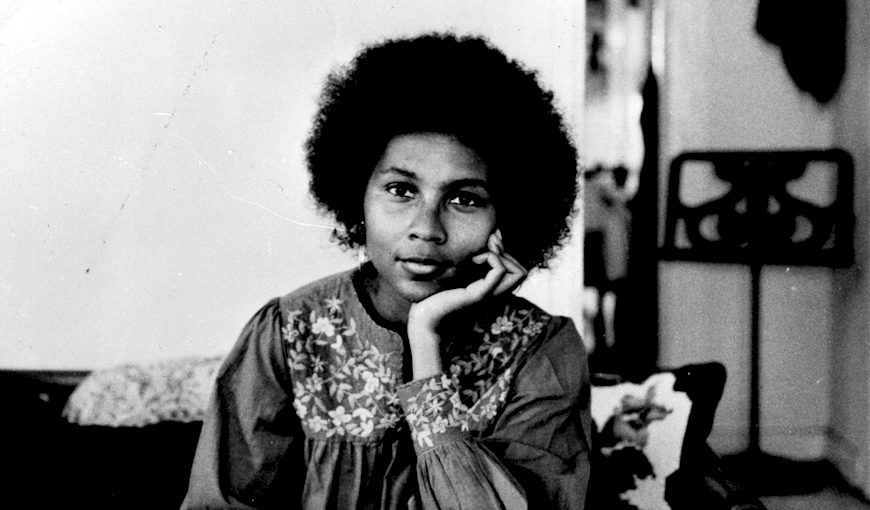
Remembering bell hooks, Her Body of Work and its Impact
Review by Heba Nimr bell hooks died last month. I first encountered her work in the1980s, through her book Feminist Theory from margin to center. “To be in the margin is to be part of the whole, but outside the main body” is the opening...
Inside Out: The Relationship between Inner and Outer
By Gary Friedman As human beings, our experiences shape how we understand not only our own contexts, but those of the people we engage with. Accessing self is an oft ignored central skill in conflict resolution, one that expands our repertoire of how to help people we...
I Knew What Would Happen
Catherine Conner and Katherine Miller We all come into a conflict with our own stories, whether we are the parties, a mediator, or another professional. The parties each have their own story about themselves, each other and the conflict. And as they begin, the...
Intimate Partner Violence and Consensual Dispute Resolution
By Antoinette Delruelle, attorney and mediator with the New York Legal Assistance Group. Before becoming a mediator, I represented victims of domestic violence (DV) and intimate partner violence (IPV[1]) in family cases and divorces for nearly two decades for the New...
Looping—Listening to Understand
By Katherine Miller and Melanie Rowen When parties are in conflict, often one of the biggest hurdles for the mediator is to help parties understand the other’s perspective. This includes understanding the matters of importance to each person in their conflict....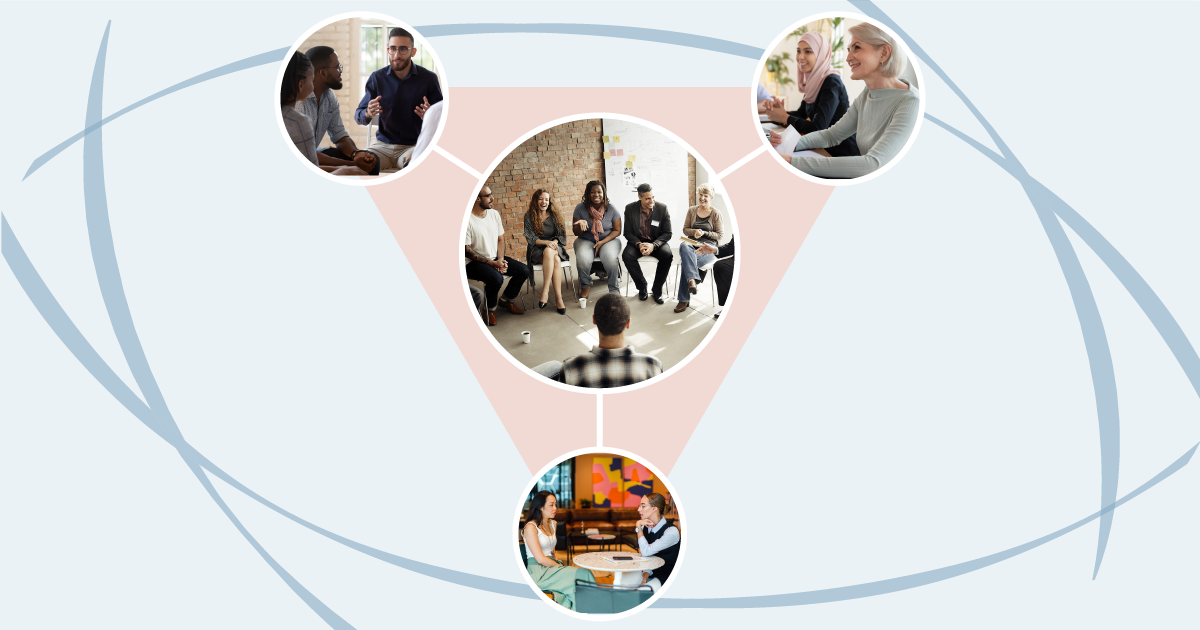
Anti-Racism Work is Conflict Work
By Catherine Conner, Natalia Lopez-Whitaker, Lacey Wilson While the lenses of race, equity, and culture have opened widely this last year, we do not live in a post-racist society and as conflict resolution professionals, we all exist in spaces that intersect with...
Working with Lawyers in the Room
By Catherine Conner, Gary Friedman, and Katherine Miller Lawyers learn to see conflict as a battle between two sets of adversaries – “opposing clients” and “opposing lawyers.” Often, they are driven, even if subconsciously, to both guard and aggress for...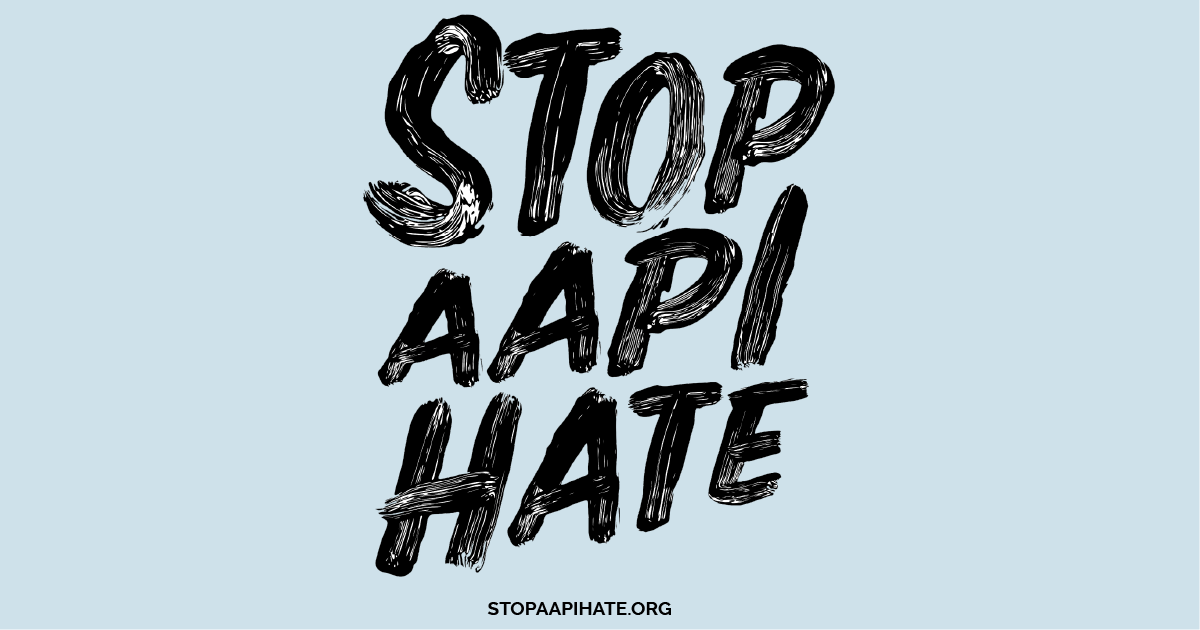
Stop AAPI Hate
Statement from the Center for Understanding in Conflict We stand in solidarity with Asian American and Pacific Islander (AAPI) communities and individuals. At the Center for Understanding in Conflict, we recognize that our AAPI members, colleagues, friends, and...