Description
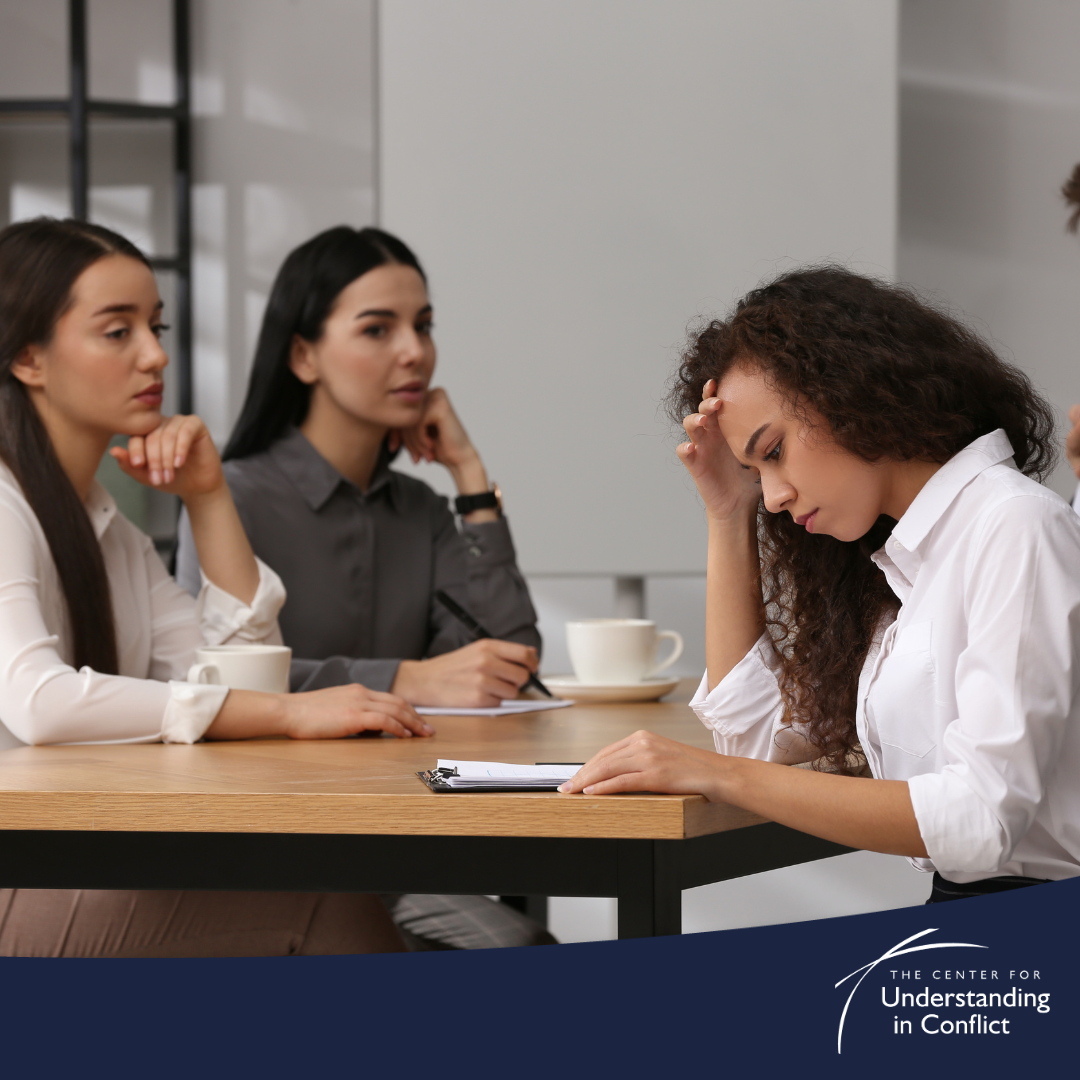
In conflict work, our intention is to foster understanding and build connections to the parties we are trying to support. Yet implicit biases–influenced by culture, life experiences, identity, and systems of power — can quietly shape how we listen, understand, and support people in conflict.
As conflict professionals we are in positions of power, and with power comes great responsibility. Within our work, the parties rely on us to support them during some of the most vulnerable and challenging moments of their lives. By examining how bias shows up in our practice, we can reduce harm and create the psychological safety necessary for mutual trust, understanding, and deepening authentic connections.
Through reflective and experiential exercises, we will explore how microaggressions and implicit bias emerge within our conflict work. We will examine the messages we have internalized, consider how they have shaped us and offer concrete strategies for addressing bias when it arises.